The government has confirmed Dr Mary-Ann Stephenson as the next Chair of the EHRC, in a move likely to shape how public bodies apply sex-based rights following a recent Supreme Court ruling that affirmed the Equality Act defines sex as biological, not self-identified.
A teacher has been sacked following a trade union complaint about social media posts in which he criticised “two-tier policing” in the case of Lucy Connolly.
A shadowy state agency previously used to monitor lawful but dissenting speech during the Covid lockdowns has now been implicated in efforts to suppress online criticism of immigration policy, multiculturalism, and ‘two-tier policing’ during the Southport riots in August last year.
Local officials have raised concerns about a lack of transparency after it emerged that Warwickshire Police advised councillors not to disclose the immigration status of two men remanded in custody over the alleged rape of a 12-year-old girl in Nuneaton, citing fears of inflaming community tensions.
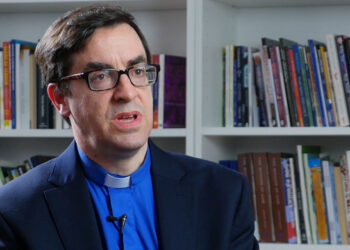
Rev Dr Bernard Randall remains barred from ministry in the Church of England, more than six years after delivering a sermon in a CofE school chapel defending the Church’s own teaching on marriage and encouraging pupils to approach competing ideologies with tolerance and humility.
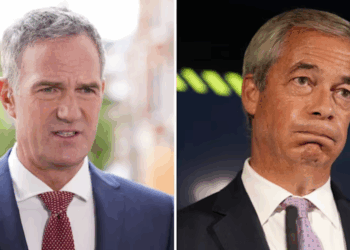
In a series of incendiary media appearances, Science Secretary Peter Kyle accused critics of the Online Safety Act — including Reform UK leader Nigel Farage — of siding with paedophiles and “extreme pornographers.”
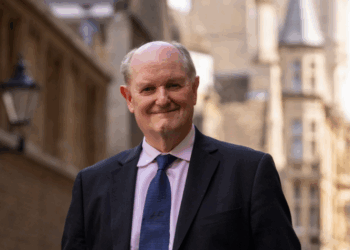
Roger Mosey, the outgoing Master of Selwyn College, has warned that Cambridge University is suffering from a culture of “ideological conformity”, with growing numbers of academics afraid to express views that depart from progressive orthodoxy.
A new national police unit will scan social media for signs of protest. New safety laws are already limiting what users can see. Together, these measures are reshaping the boundaries of lawful political expression in Britain.
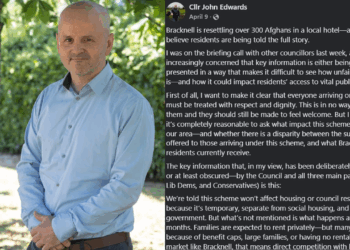
A town councillor who raised concerns about the impact on local residents of a secretive government resettlement programme for Afghan migrants has been placed under formal investigation by Bracknell Forest Council and reported to police by a Labour councillor for allegedly “stirring up racial hatred”.
For years, politicians from across the political spectrum insisted the Online Safety Act would focus solely on illegal content without threatening free expression. But from the moment its age-verification duties took effect on 25 July, that reassurance began to unravel.
A date has been announced for FSU member Hamit Coskun’s appeal against his conviction for burning a copy of the Koran.
Amid a growing number of criminal cases in Brazil involving speech about gender identity, a prominent feminist is facing up to 25 years in prison after being charged with five counts of “social racism” for referring to a trans-female politician as a man.
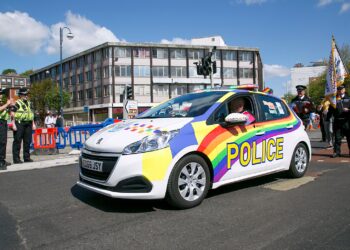
In a ruling with significant implications for free expression and the political neutrality of public institutions, the High Court has found that Northumbria Police breached its duty of impartiality by allowing officers to take part in a Pride event.
The British government imposed a two-year superinjunction to prevent the public, and even Parliament, from learning that the Ministry of Defence had accidentally leaked the personal data of 25,000 Afghans linked to UK forces, triggering a covert £7 billion resettlement scheme that has relocated over 16,000 people so far.